On this page
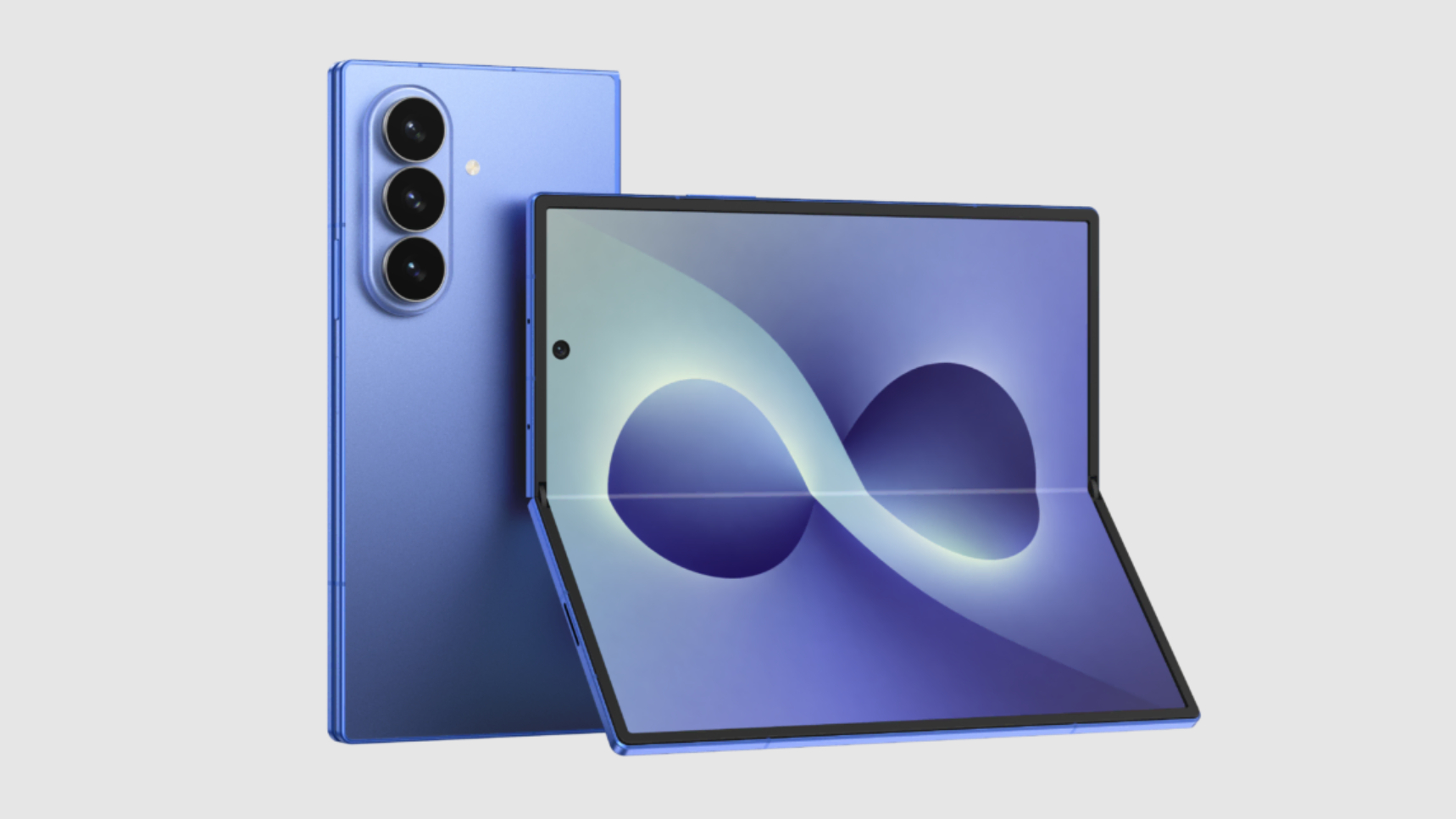
Samsung Display has introduced Flex Titanium, a new foldable-display architecture expected to debut with the Galaxy Z Fold 8 and Z Fold 8 Ultra. It targets the compromise that has followed every modern foldable: a thinner, sturdier screen with a less visible crease. The useful question is not whether titanium sounds premium. It is whether the new stack changes the compromises that remain when an OLED panel is folded every day.
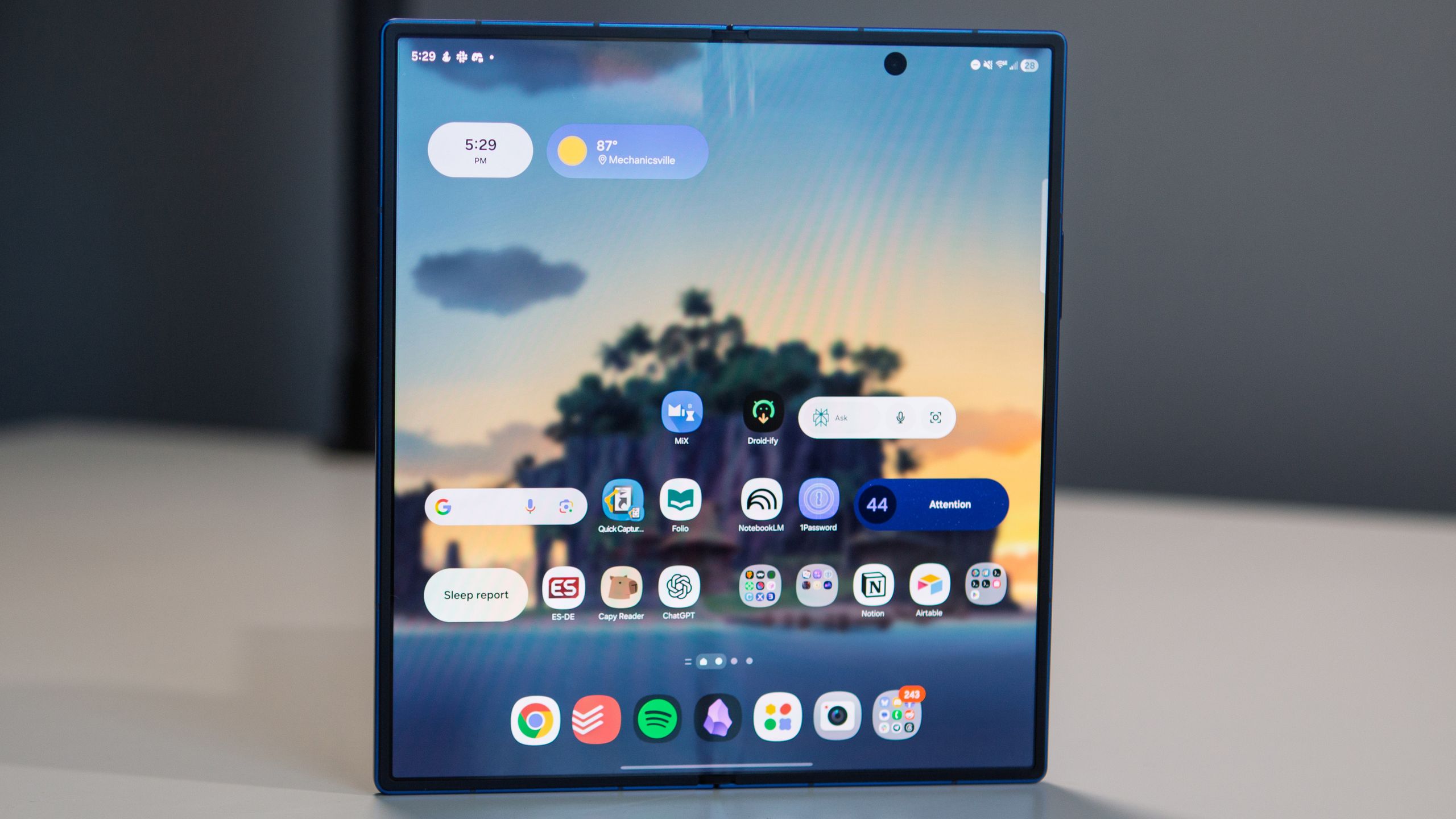
Android Central and The Verge describe a structural change below the OLED panel, not a cosmetic metal trim. That matters. Crease visibility, how the screen feels under a finger, and long-term resilience all depend on several layers, the hinge, and how stress is managed across the display.
What Flex Titanium actually changes
Samsung says Flex Titanium pairs a titanium-alloy film underneath the OLED with a titanium plate that improves bonding within the display module. The film is claimed to offer up to 20 times the mechanical stiffness of polymer film while remaining extremely thin. The plate is designed to stabilize the panel when it is unfolded without removing the flexibility needed for repeated folding.
On paper, the engineering argument is sound. A titanium-alloy support layer can free up space in a very thin stack and better distribute stress. Samsung also claims lower power consumption and improved visual quality, but those claims need comparable device data rather than launch-event slides. The production process and its tolerances matter as much as the named material: in foldables, a few tenths of a millimeter can affect both ergonomics and durability.
What it changes in daily use — and what it does not
A less noticeable crease is useful, especially for reading, browser work, documents, and split-screen multitasking. It does not automatically make a foldable equivalent to a conventional slab phone. It tells us little so far about side impacts, dust, localized pressure, or marks that may emerge after months of use.
The material change should therefore be judged as a potential improvement to the whole display module, not as a blanket durability guarantee. A premium foldable still combines a hinge, ultra-thin glass, and a more complicated stack than a conventional handset. If Flex Titanium only improves a showroom impression, the marketing department wins. If it improves real wear scenarios too, it becomes a meaningful hardware step.
Preorder checklist for the Galaxy Z Fold 8
- Look at the crease from different angles. A straight-on photo can hide reflections and the physical dip; inspect light and dark screens under side lighting.
- Read inner-display repair coverage. Check exclusions, excess fees, and coverage duration. The foldable panel remains the costly component.
- Do not confuse water resistance with total protection. An IP rating, where offered, is not automatically a promise against fine dust or pressure at the fold.
- Wait for long-term testing. Battery life, heat, hinge behavior, and screen marks are more valuable than first-day impressions.
- Compare closed thickness and weight. Flex Titanium matters only if it makes the phone easier to carry without an unreasonable battery trade-off.
Samsung is expected to provide more detail at Galaxy Unpacked on July 22. Until then, the sober reading is straightforward: Flex Titanium is a credible technical answer to a historic foldable weakness, but it is not yet proof that an inner foldable display has become insensitive to daily wear.
In brief
- Flex Titanium adds a titanium film and plate to Samsung’s foldable display structure.
- Its targets are crease visibility, module thickness, and structural resilience.
- Claims around stiffness, power use, and longevity still need independent device testing.
- For buyers, live demos, repair terms, and longer-term reviews matter more than the material name.