Eufy has finally started selling the SmartTrack Card E40, its slim wallet tracker compatible with Google Find Hub and Apple Find My. The news is fresh, but the interesting part is not simply “another Bluetooth thing to slide into a wallet”: this is one of the first products that can show whether Android’s tracking network is becoming concrete enough to leave the lab and land in normal pockets.
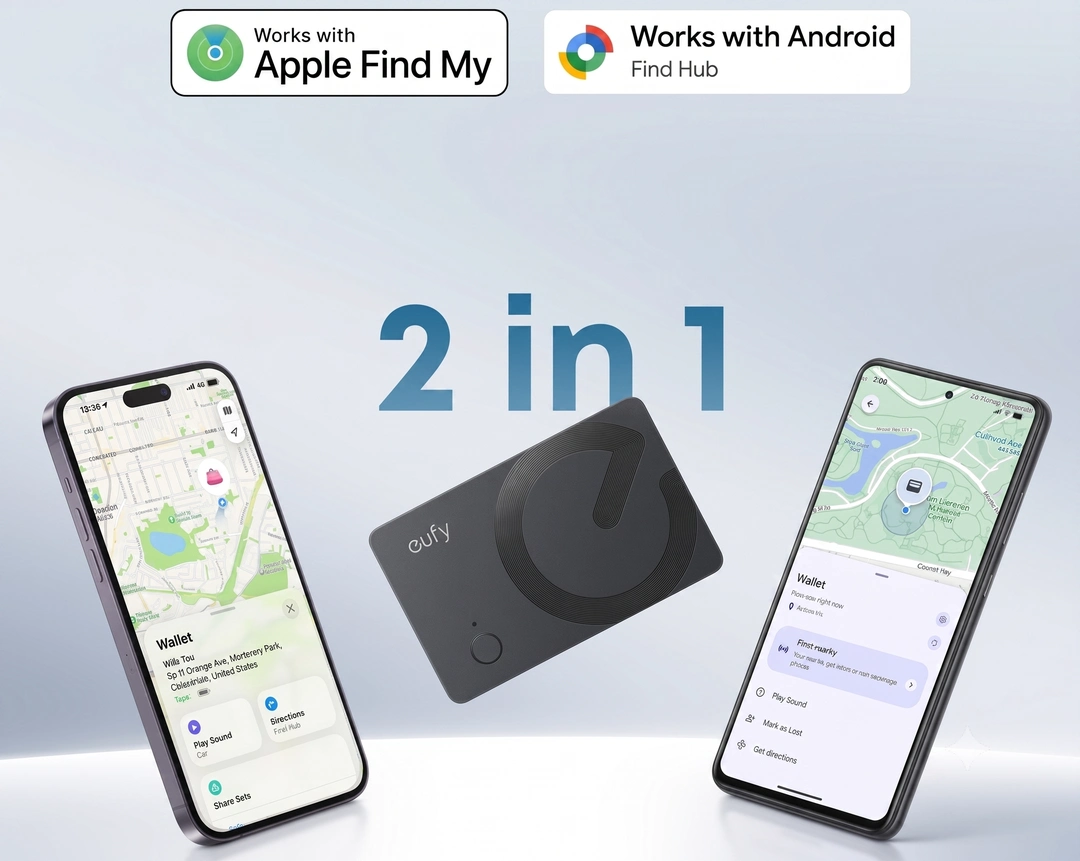
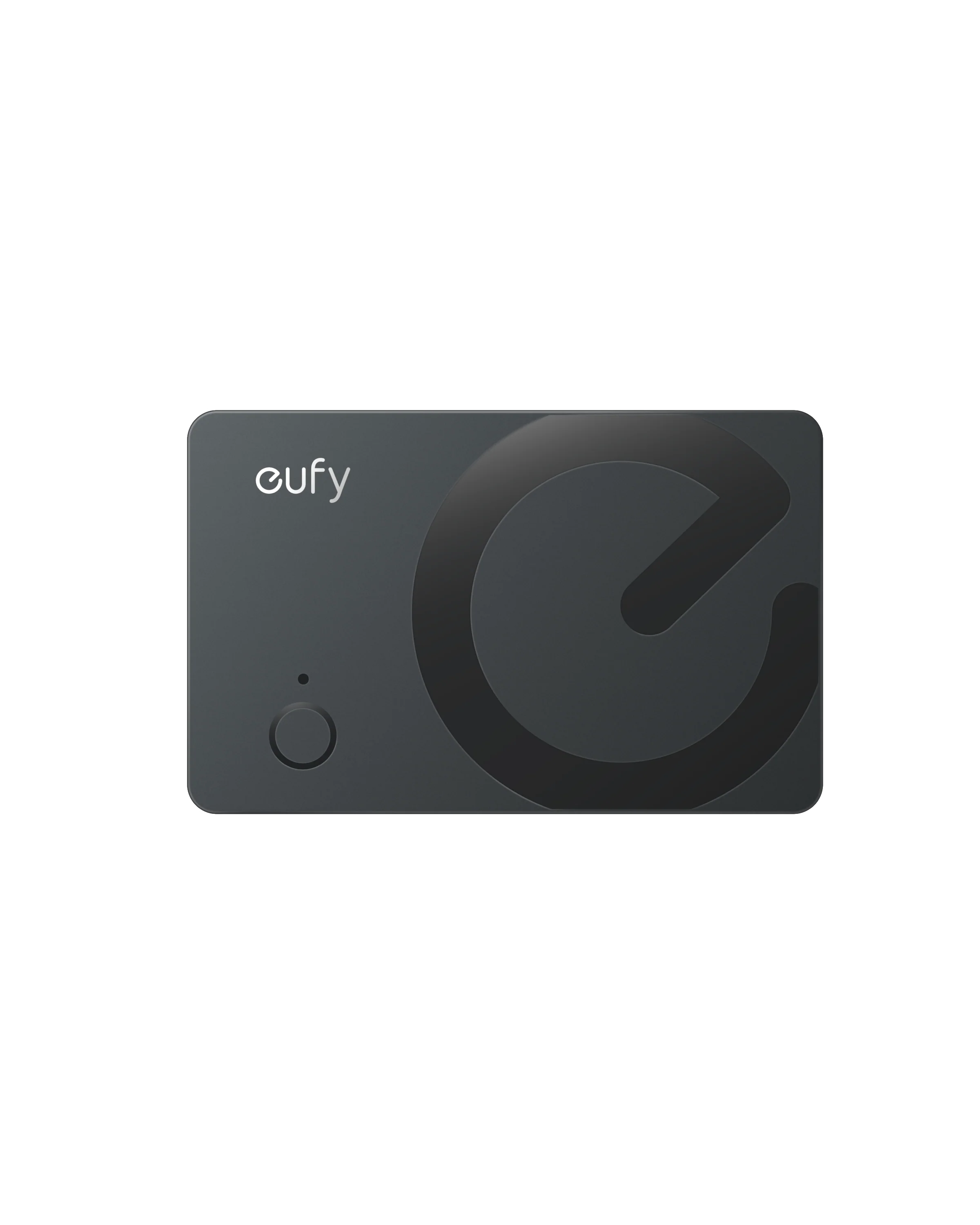
According to 9to5Google and AndroidGuys, the Card E40 is now available in the United States for $34.99. Eufy’s official product page confirms the main specs: a 0.07-inch card format, wireless charging, up to five months of claimed battery life, an 80 dB alarm, everyday durability, and support for both Apple’s and Google’s networks. It is designed for wallets, bags, and passports, not as a standalone GPS tracker. That distinction matters, because tracker marketing often implies a kind of magic that Bluetooth simply cannot deliver.
What to check before buying
First question: which ecosystem do you actually use? The Card E40 can work with Apple Find My or Google Find Hub, but Eufy states that it works with one network at a time. Pair it with an Android phone and you use Google’s network; pair it with an iPhone and you use Apple’s. Switching between them requires a reset and a new setup. In a mixed Android/iPhone household, this detail matters far more than the packaging color, despite what the marketing department may prefer to discuss.
Second question: do you need to find an object nearby, or are you hoping to track it in real time? Eufy is explicit: there is no GPS. The card uses Bluetooth and the Apple or Google crowdsourced networks to update its location when it passes near compatible devices. It makes sense for a wallet left at the office or a bag forgotten in the car; it is less suitable if you expect continuous satellite-style anti-theft tracking. For that, unfortunately, you still need different hardware, more battery, and different costs. Physics remains rude and refuses to read brochures.
Android setup: quick checklist
On Android, setup should go through Google Find Hub. Eufy’s page also mentions a practical failure case: if the pairing pop-up does not appear, place the card closer to the phone, ideally against the back, or restart the phone if you dismissed the window by mistake. After pairing, run three tests immediately before sliding the card into your wallet and forgetting about it as nature intended.
- Open Find Hub and make sure the Card E40 appears with a recognizable name.
- Trigger the alarm and check whether the 80 dB ring is audible through your real wallet.
- Leave the tracker in another room and watch location update timing and notifications.
- Review left-behind alerts, if they are available on your account and device.
- Know where the reset procedure is, because you will need it if you later move to Apple Find My or back again.
Wireless charging and battery life: the useful part
The smartest detail is wireless charging. Many wallet trackers either use a non-replaceable battery or make recharging awkward; here Eufy promises up to five months per charge and charging on a standard wireless pad. The charger is not included, so this is not a “complete kit” situation, but in a home that already has a Qi pad the maintenance problem becomes much simpler. It is the kind of technical choice that matters after three months, not during the unboxing.
Do not confuse battery life with precision, though. The sources do not indicate UWB support or directional precision finding, so do not buy it expecting millimeter-level arrows like a treasure hunt. The Card E40 is mainly a slim, rechargeable tracker for personal items. If you want an Android product more focused on precise finding, AndroidLab has already covered Moto Tag 2 and Find Hub with UWB.
What really changes
The value of the Card E40 is not only the card itself. It is that a brand like Eufy is finally selling a real product that puts Apple Find My and Google Find Hub in the same device. That does not mean the two networks are equivalent in coverage, speed, or reliability: that has to be tested in the field, city by city, phone by phone. But for Android it is a useful signal, because Google’s network needs real, buyable, easy-to-configure hardware instead of ghost listings and delayed promises.
The Lab angle is simple: if you already use a recent Android phone, often misplace your wallet, and want a slim tracker, Eufy SmartTrack Card E40 belongs on the shortlist. If you live in a mixed household, decide in advance who will “own” the tracker. If you want UWB precision, GPS, or continuous tracking, wait for something else. The product looks sensible, but it needs to be used for the right job: finding personal items, not turning a wallet into a NASA operations console.
In brief
- Eufy SmartTrack Card E40 is now available in the United States for $34.99.
- It supports Google Find Hub and Apple Find My, but only one network at a time.
- It has no GPS: it relies on Bluetooth and crowdsourced networks.
- Wireless charging and the claimed five-month battery life are the most practical advantages.
- Before buying, check ecosystem choice, alerts, alarm volume, and precision expectations.