The important part is not that Meta wants to sell another AI subscription. That is almost background noise now. The more uncomfortable detail is that Ray-Ban Meta glasses are putting Conversation Focus, a feature meant to make speech easier to hear in noisy places, behind a monthly limit and nudging users toward Meta One Premium.
According to The Verge, Android Police and Android Authority, Meta is limiting Conversation Focus to 3 hours per month for users without a paid plan. The Meta One Premium subscription, listed at $19.99 per month, raises that cap to 15 hours per month. Meta says the glasses do not generally require a subscription to keep working, but the practical issue is narrower and sharper: a feature many buyers may treat as part of the hardware experience now behaves like metered access.
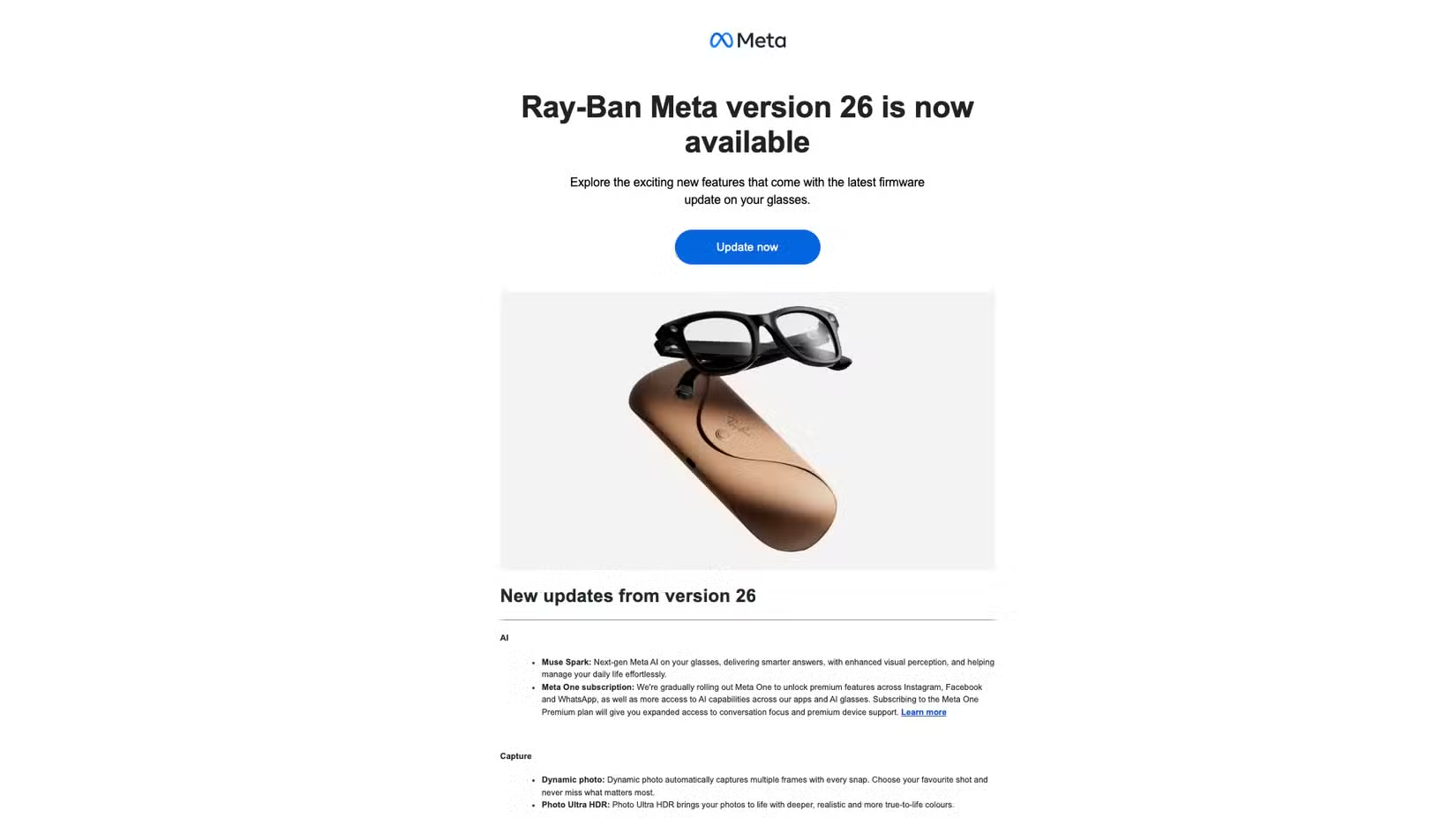

Conversation Focus uses the glasses’ microphones and speakers to make the person in front of you easier to hear while reducing surrounding noise. This is not just a flashy stage demo. It is the kind of feature that can matter in a restaurant, a station, an airport or a loud office. That is why this paywall feels different from “pay for more AI generations”: it touches hearing, accessibility and daily use.
For Android users, the operational hub is the official Meta AI app on Google Play, which is also used to manage Meta AI glasses, import media and configure available features. Before paying, the useful approach is not hype. It is a checklist: check country availability, supported language, the actual limits shown in the app and what happens when the monthly allowance runs out.
What Really Changes
The issue is not only the price. The technical precedent matters more: an on-device feature, running on hardware the user has already bought, can still be treated like a metered service. For cloud features, limits are easier to explain: remote inference, servers, recurring costs. For a local feature, the line is less clean. Meta is effectively selling continued access, not an obvious block of remote compute.
That changes how AI glasses should be evaluated before purchase. It is no longer enough to ask whether the camera is good, the battery lasts or the speakers sound decent. You also need to ask which functions are guaranteed over time, which can become limited, which require an account and which are tied to a paid plan. As AndroidLab has already noted in its coverage of AI, platforms and privacy checks on Android, once a feature becomes part of daily behavior, the real cost is not only financial.
Checklist Before Paying
- Open the Meta AI app and check whether Conversation Focus is actually available for your glasses and country.
- Look for a clear monthly counter: without a visible allowance, control stays weak.
- Read the Meta One terms: local price, renewal, cancellation, trial period and which features are included.
- Estimate real use: 3 monthly hours may be fine for occasional testing but disappear quickly if you rely on it weekly.
- If you use the glasses for hearing support in difficult environments, treat the subscription as a functional dependency, not a cosmetic extra.
- Review app permissions, linked account and privacy settings, especially if the glasses handle photos, video or voice input.
The practical point is simple: before buying or subscribing, separate owned hardware from granted features. The glasses may be yours; some capabilities can still become a remotely controlled tap. That is not automatically useless or illegal, but it is a choice worth naming clearly: the subscription moves inside the physical experience of the device.
For Meta, this may help fund cheaper AI glasses and more advanced features. For users, it is a blunt reminder that in smart accessories, buying the device does not always mean buying the device’s future behavior. And when the feature is about hearing a real person in front of you, “premium AI” sounds a little less elegant.
In Brief
- Meta is limiting Conversation Focus on Ray-Ban Meta glasses to 3 monthly hours without a subscription.
- Meta One Premium reportedly costs $19.99 per month and raises the cap to 15 monthly hours.
- The feature helps make the person in front of the wearer easier to hear.
- The case is sensitive because it involves a local accessibility-related feature, not just cloud AI.
- Android users should check the official Meta AI app before buying or subscribing.