Editorial update – 17 July 2026. This is a forward-looking change, not a blanket shutdown of SmartThings. Samsung's official API announcement and the reports cited below point to a new access model from October 2026, while the exact tier, price, account type and regional availability still need to be checked against the developer account that owns each integration.
What to check before acting
- Separate confirmed product documentation from reports, previews and leaks.
- Check device, account, region, firmware and app version before assuming the feature is available.
- Use official update and download channels, and keep a reversible backup before changing data or integrations.
Samsung is turning a developer-policy change into a real smart-home checklist. The company says the SmartThings API will move to paid access in the coming months, with commercial tiers and a $4.99 per month personal plan for non-commercial individual developers. The deadline that matters is October 2026: until then, free access continues through Q3 and Samsung says it will not start phasing out free access before that window closes.
For most Galaxy owners, this is not a panic button. If you open the normal SmartThings app, turn lights on and off, manage a Samsung TV, run routines, or control compatible appliances from the official app, Samsung says the change does not affect that standard consumer use. The practical problem sits one layer deeper: direct API access, third-party dashboards, Home Assistant integrations, rental-property platforms, energy-management tools and custom automations that talk to SmartThings as a backend.
That is why the story matters beyond developers. Smart homes tend to become infrastructure quietly. A few bulbs, a plug, a TV, a motion sensor, a thermostat, then suddenly a morning routine depends on five cloud services and a bit of code somebody wrote three years ago. When one of those APIs becomes paid, limited, or reorganized, the question is not just “is $4.99 expensive?” The better question is: which parts of the house depend on a remote API you do not control?
Who should actually care
There are three groups to separate.
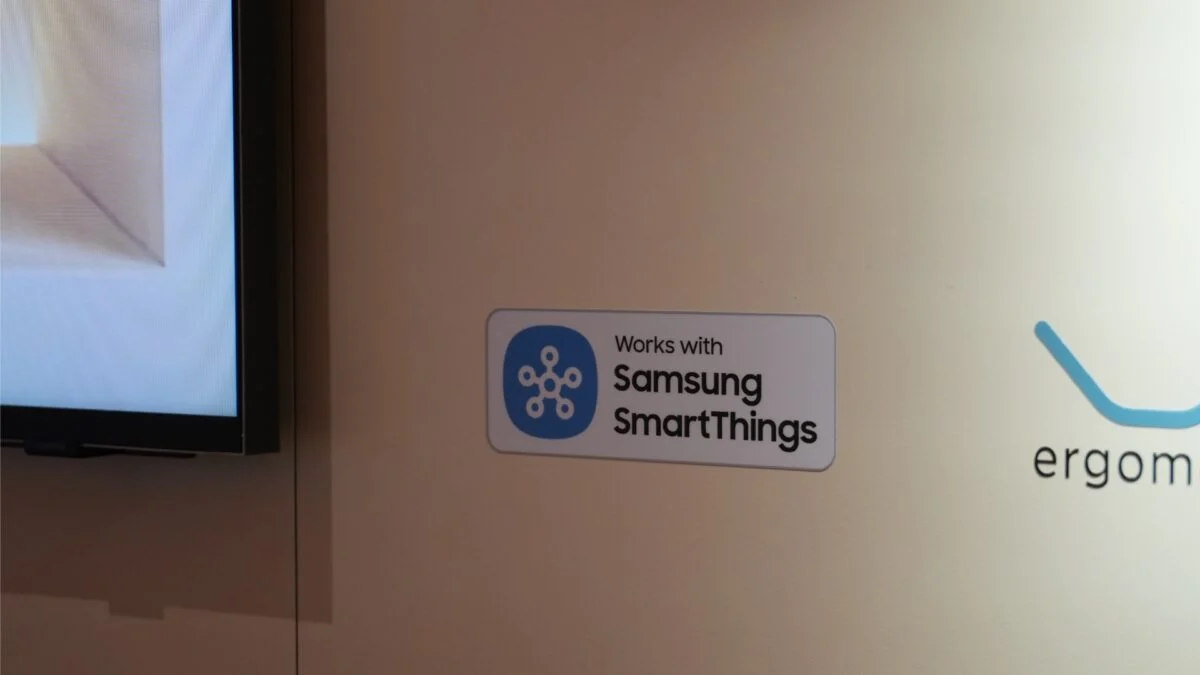
Ordinary SmartThings app users should not see a new monthly bill just because they own SmartThings-compatible devices. Samsung’s own announcement says the update does not affect people using the SmartThings app with Works with SmartThings partner devices.
Home Assistant and DIY smart-home users need to pay attention. The risk is not that Home Assistant itself suddenly becomes paid; it is that a SmartThings integration using Samsung’s API may fall under the new personal plan. Coverage from The Verge, Engadget, Android Authority and SamMobile all points to the same practical impact: advanced users and community integrations are the group most likely to feel the change.
Commercial operators and developers have the clearest deadline. If a short-term rental platform, energy dashboard, property-management service or custom control panel is built on SmartThings API calls, October 2026 should already be on the migration calendar. Waiting until the week before the switch is how small automation systems become support archaeology. Nobody needs that kind of haunted helpdesk.
What Samsung says is changing
Samsung frames the move as an infrastructure upgrade. The company says SmartThings has grown to more than 460 million registered users and hundreds of Works with SmartThings partner brands, and that a structured API model will help fund reliability, higher-volume commercial deployments, optimized integrations, expanded access to Samsung device states and controls, and a refreshed Developer Center.
The promised tools include better documentation and an API usage dashboard, meant to show current usage and time-series data so developers can understand call volume and choose the right tier. That part is useful, if it arrives cleanly. The weak spot is the usual platform bargain: users and developers are being asked to accept a new recurring cost before they can measure whether the new reliability and tooling are worth it.
What changes in practice
The most important practical split is between app control and API control. App control is the normal Samsung experience: the SmartThings app, Samsung account, supported devices and Samsung-hosted routines. API control is what lets another platform or custom service ask SmartThings for device state, trigger actions, build dashboards, or combine Samsung devices with other ecosystems.
If your setup is simple, the only action may be “do nothing, but know the date.” If your setup is more advanced, make a list now:
- Do you use Home Assistant with a SmartThings integration?
- Do any automations depend on SmartThings cloud events rather than local Zigbee, Z-Wave, Thread or Matter control?
- Do you run custom scripts, dashboards, Stream Deck buttons, Garmin shortcuts, webhooks or API tokens connected to SmartThings?
- Do family members depend on those automations for locks, heating, alarms or accessibility routines?
- Would a SmartThings API failure break convenience, or would it break something important?
That last question is the AndroidLab line in the sand. A light scene failing is annoying. A lock, alarm, heating schedule or elderly-care alert silently depending on a changed cloud API is a different class of problem.
Checklist before October 2026
First, identify the integration path. In Home Assistant or any other hub, check whether your Samsung or SmartThings devices are controlled through SmartThings cloud, Matter, Zigbee, Z-Wave, local LAN integration, or another bridge. The name shown in the UI is not enough; look at the integration documentation and the account/API token used.
Second, separate critical automations from comfort automations. Anything involving locks, sensors, climate, alarms, accessibility or repeated daily routines should have a fallback. That fallback can be the official SmartThings app, a local protocol, a manual switch, or a second automation path. Boring? Yes. Useful? Also yes, which is why it survives contact with real life.
Third, watch for official guidance from the platform you actually use. Home Assistant, SmartThings community projects and commercial dashboards will each respond differently. Some may pass the cost to users, some may require a personal SmartThings plan, some may redesign integrations, and some low-maintenance projects may simply stop working.
Fourth, avoid buying new smart-home hardware on the assumption that every cloud integration will remain free forever. Prefer devices that expose a standards-based local route through Matter, Thread, Zigbee or Z-Wave when possible. Cloud features can be useful, but they should be a convenience layer, not the only key to the front door.
What really changes
The fee itself is small enough that Samsung can call it reasonable. The precedent is the bigger story. Smart-home vendors sold many devices on the promise of interoperability, then built much of that interoperability through cloud APIs. Now those APIs are becoming products in their own right.
For Android and Galaxy users, this means the phone remains the remote control, but the real architecture is somewhere else: Samsung account, cloud API, third-party hub, automation engine, device firmware and sometimes a subscription. The smart move before October is not rage-refreshing forums. It is mapping dependencies while everything still works.
In brief
- Samsung plans paid SmartThings API tiers, including a $4.99/month personal plan for non-commercial individual developers.
- The change is expected from October 2026; free access continues through Q3.
- Normal SmartThings app users are not the target of the fee.
- Home Assistant users, custom dashboards and third-party integrations should audit their SmartThings dependencies now.
- For critical automations, prefer local or standards-based fallback paths where possible.