The story is not simply “Google is killing APKs.” It is more specific: with Android Developer Verification, apps from unverified developers will face tighter controls on certified Android devices. The practical line, now underlined by LineageOS too, is that the new system targets Google-certified Android devices, not every Android-based ROM in existence.

If you sideload APKs, use alternative app stores, or keep an older phone alive with a custom ROM, the first job is to separate three scenarios: stock Android with Play Services, a certified manufacturer build, and custom ROMs such as LineageOS. Treating all of them as one generic “sideloading is over” story makes good noise, but terrible troubleshooting.
What actually changes
According to Android Developers documentation, starting in September 2026 apps installed on certified Android devices in selected regions must be registered by a verified developer. Android Authority reports that the first listed markets include Brazil, Indonesia, Singapore and Thailand, with broader global expansion expected in 2027. This is not a switch being flipped worldwide tomorrow morning, but it is a real transition for independent developers, power users and anyone distributing APKs outside Google Play.
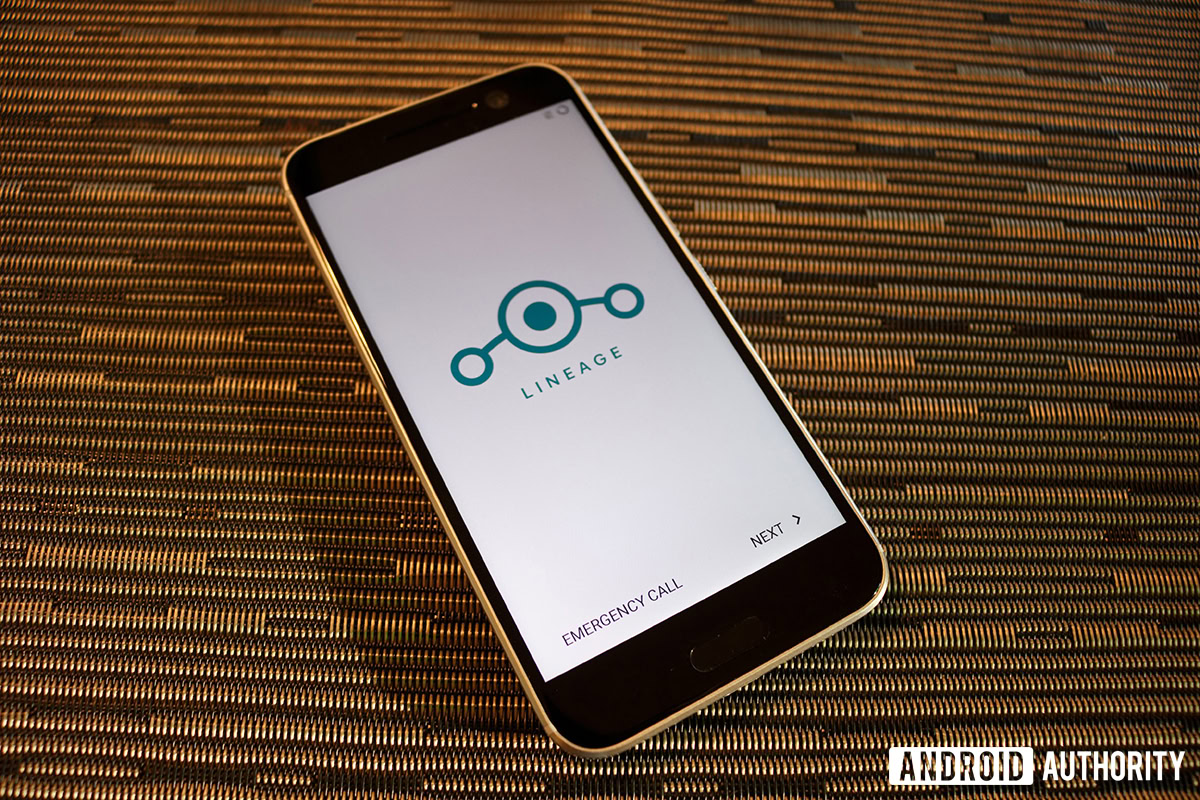
LineageOS draws the most important boundary: the project does not ship Google Mobile Services by default and does not go through Google’s device certification process, so it is not required to implement the new verification package. On a certified stock ROM, however, installation may be gated by “AndroidDeveloperVerification,” checking the developer identity and package name against Google’s system.
Quick guide: check whether you are affected
- Check your ROM: if you are using the original firmware with Play Store, Play Services and manufacturer certification, assume the device is inside Google’s perimeter.
- Check the app source: Play Store, third-party stores and direct APK installs can all be covered once the rule is active on a certified device.
- Check country and timing: the initial enforcement starts in selected markets in 2026; for Europe and most users, the global 2027 expansion is the key date to watch.
- If you use LineageOS, do not assume the rule automatically applies: it depends on GMS, the build you installed and the project’s choices.
- For niche or personal apps, check whether the developer plans to complete verification or use a limited distribution path for hobbyists and students.
Compatibility and practical limits
This model does not erase unknown apps from Android, but it raises friction. Google also describes an advanced flow for power users, a more explicit path for installing unverified apps after accepting the risk. That matters: it may keep Android from becoming completely closed, but it is still different from the low-friction sideloading many technical users know today.
The AndroidLab question is operational, not ideological: “will this app keep installing on my phone, in my region, with my ROM?” The answer depends on device certification, developer account status, APK signing, package name and distribution channel. Yes, it is a proper tangle. Android freedom does not die in a blog post, but it can be made annoying enough to change habits.
Problems and fixes to prepare
If you distribute APKs outside Google Play, start documenting your signing key, package name and official channel. If you install independent apps, keep the original project link and avoid random APK mirrors. If you run an alternative ROM, follow the ROM’s official channels: in LineageOS’ case, the project has already explained why its situation differs from certified stock Android devices.
AndroidLab has covered a related but separate case in its guide to Android Auto unofficial apps and sideloading checks: that one is about the car environment, while this guide is about system-level developer verification. The rule is the same in both cases: understand the technical perimeter first, install later. Preferably not the other way around.
In brief
- Android Developer Verification starts in selected markets in September 2026 and targets certified Android devices.
- LineageOS says the system does not directly affect its builds because they do not ship GMS or Google certification.
- Play Store installs, third-party stores and direct APK sideloading can all be covered on certified stock devices.
- Google is preparing an advanced flow for power users who want to install unverified apps.
- Before worrying, check ROM, certification, country, app channel and developer verification status.